Recap from WIFTI Summit 2026 in ADARE, IRELAND
The 2026 Women in Film and Television International (WIFTI) Summit brought the global screen industry to the village of Adare in County Limerick, Ireland. Hosted by Women in Film and Television International in partnership with Women In Film & TV Ireland, the event gathered creatives, producers, broadcasters, funders, policymakers, and industry leaders from around the world to discuss the future of film, television, media, and storytelling. Chapters from around the world were present to represent local industries.
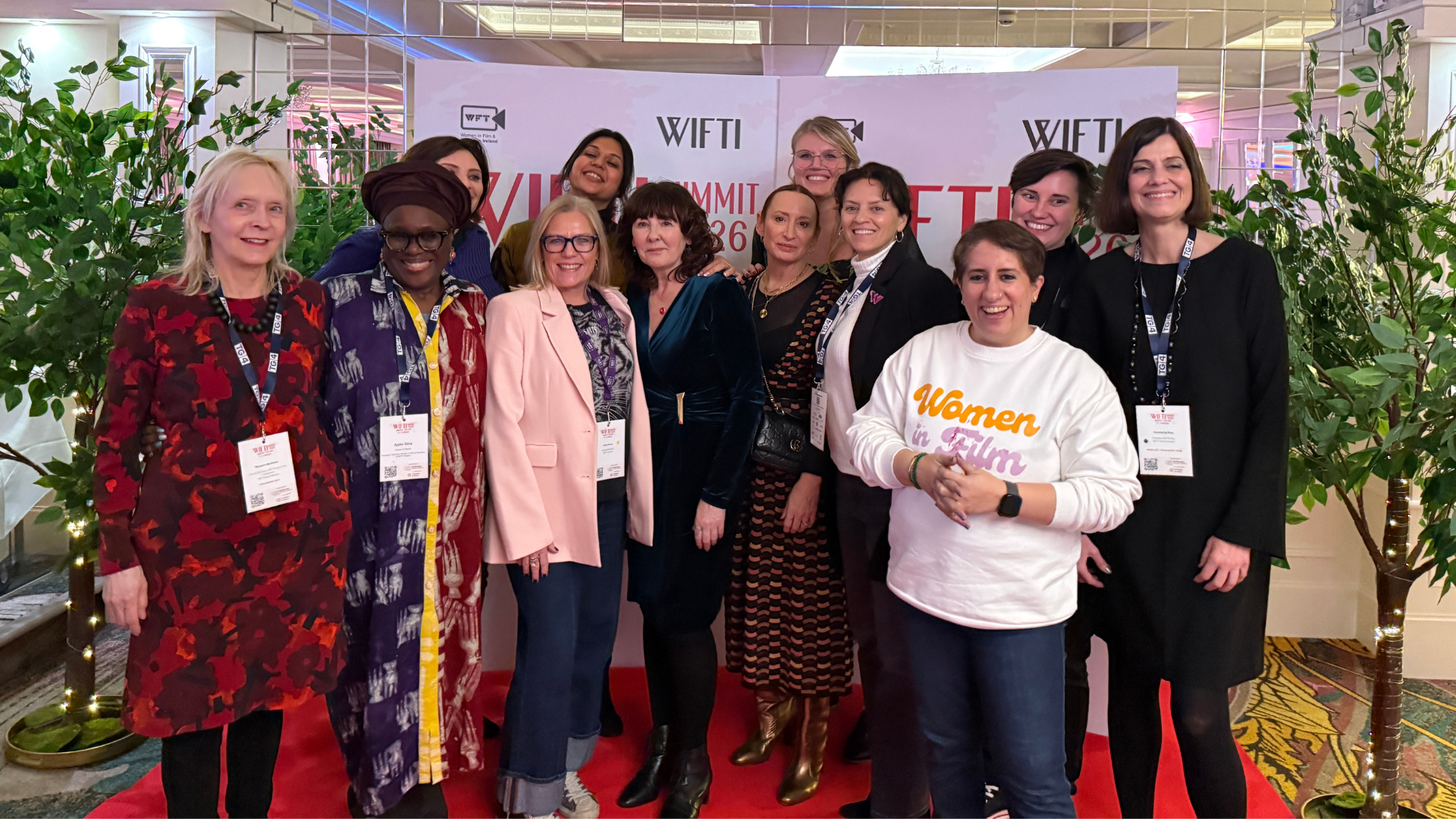
Presidents of WIFT chapters from around the world.
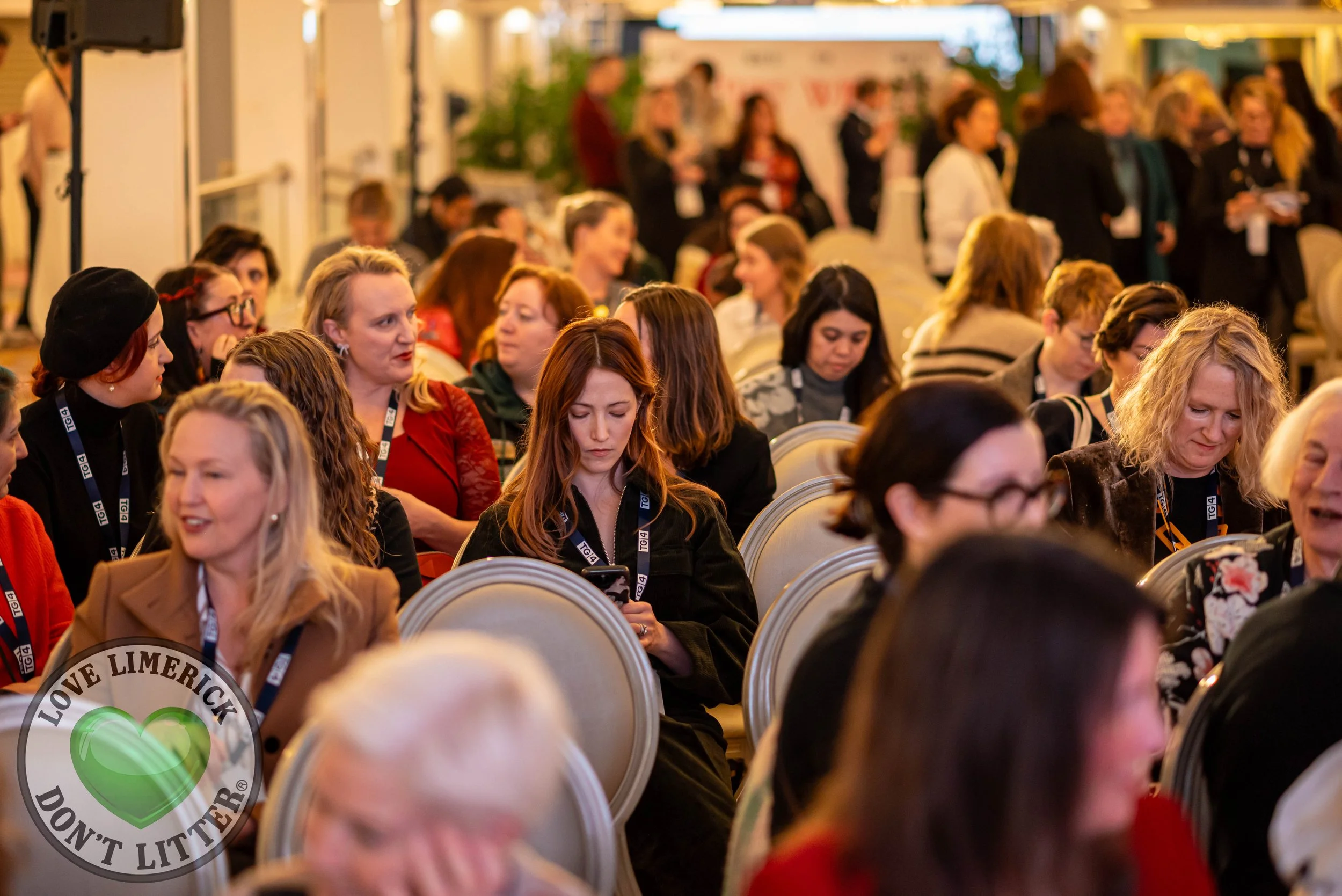
Over three days, the summit combined high-level panels, industry debates, networking events, and co-production discussions designed to foster collaboration across borders and disciplines. The programme explored themes such as gender equity in the screen industries, international co-productions, emerging technologies like Virtual Production, and the importance of authentic storytelling especially in reference to native languages.
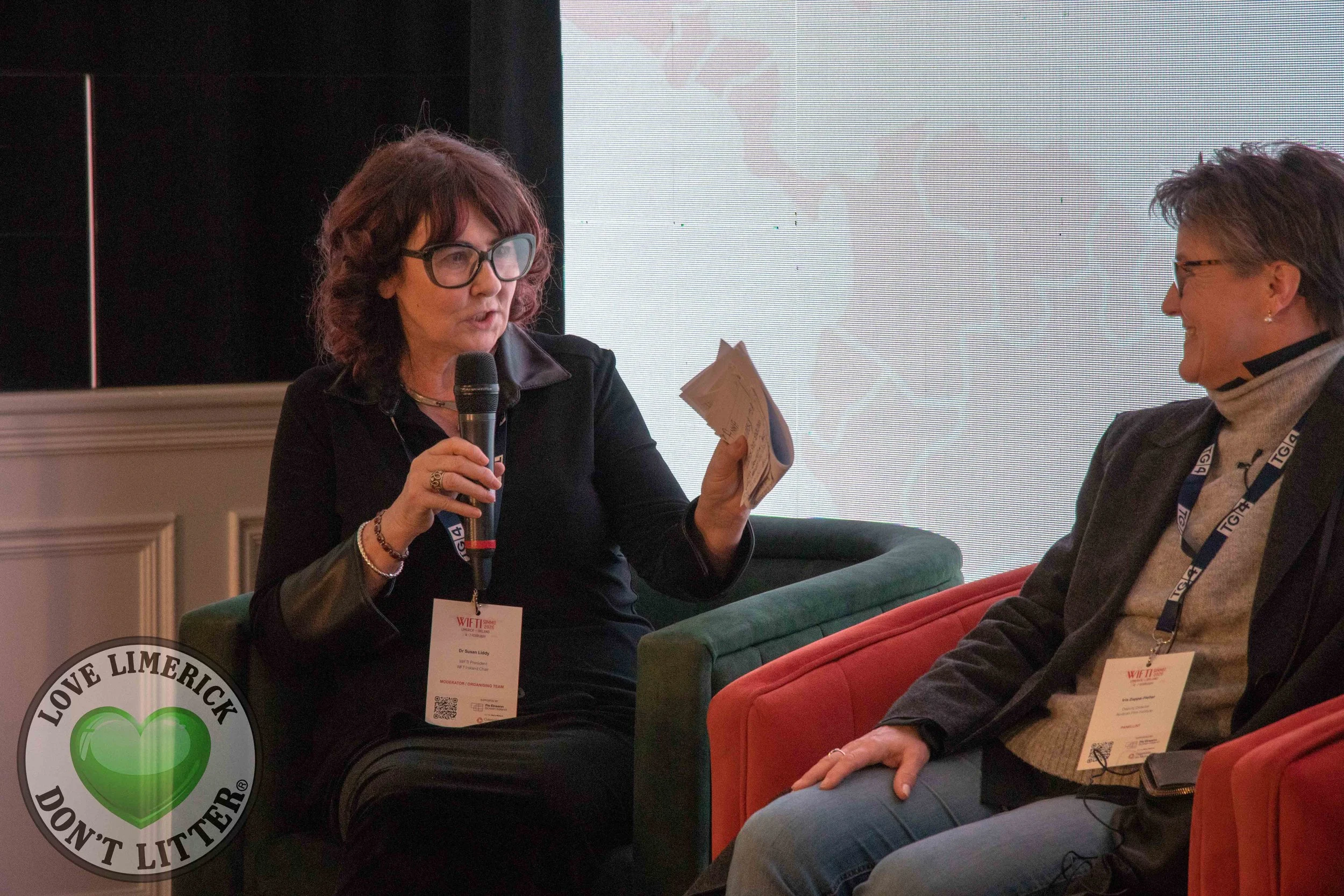
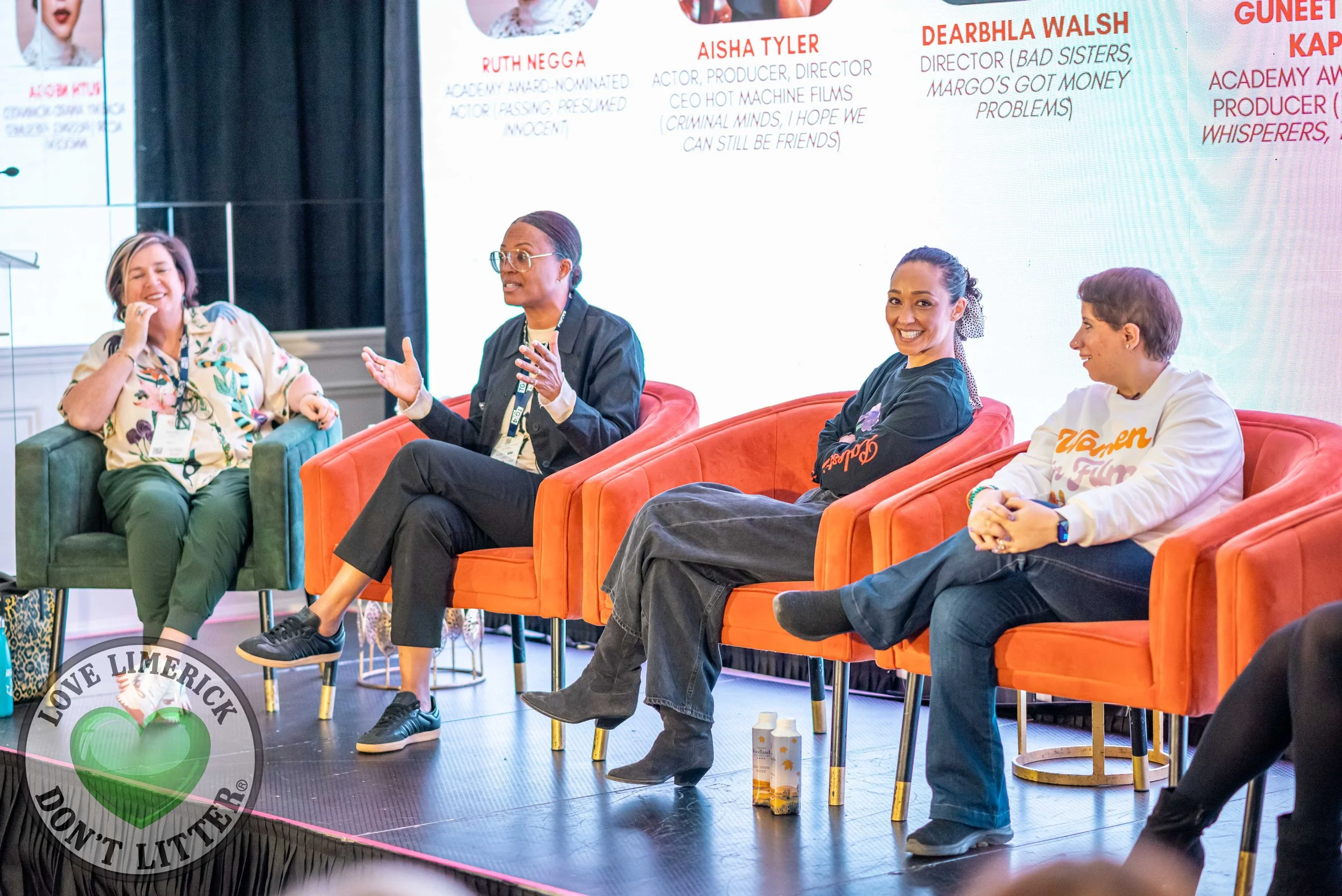
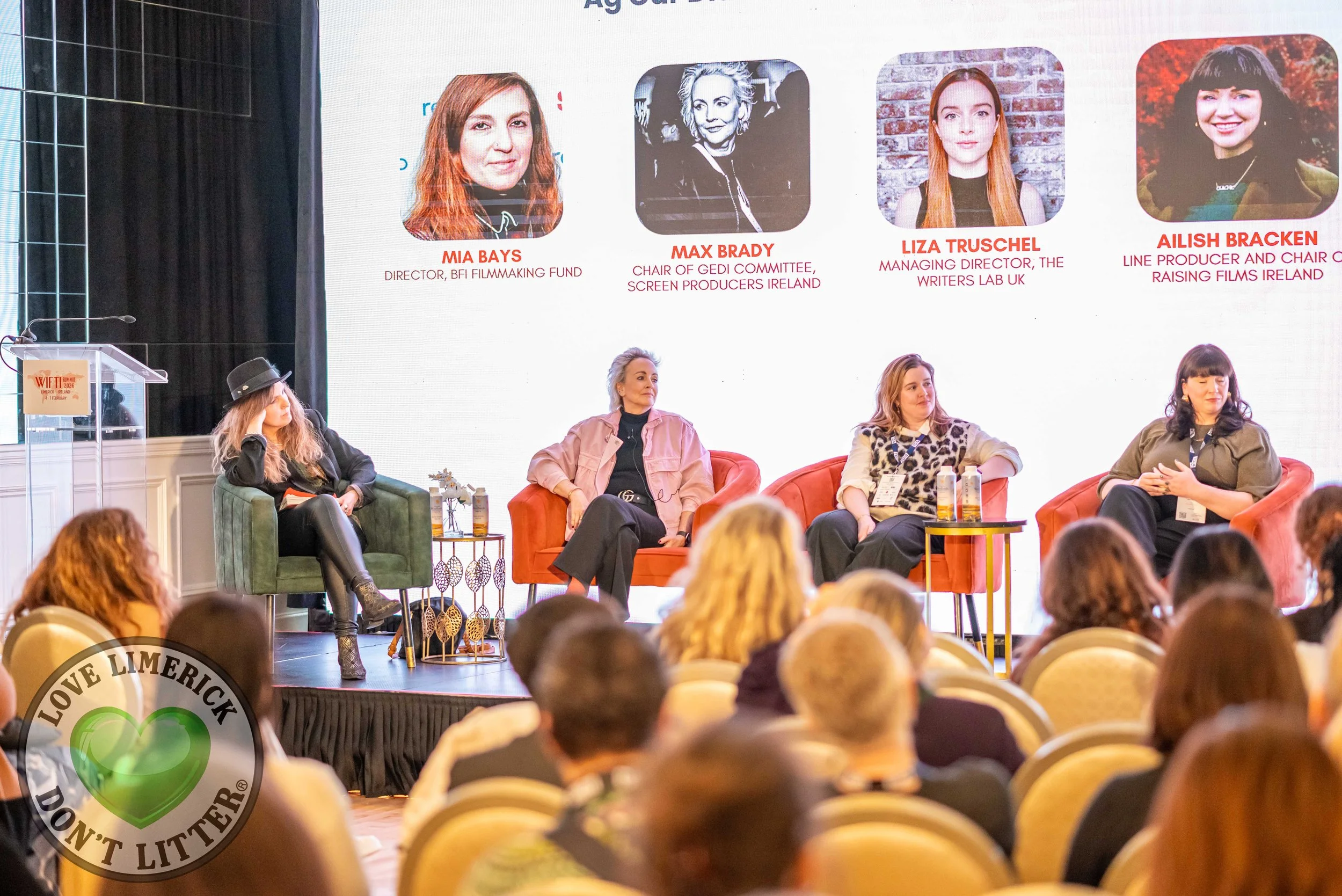
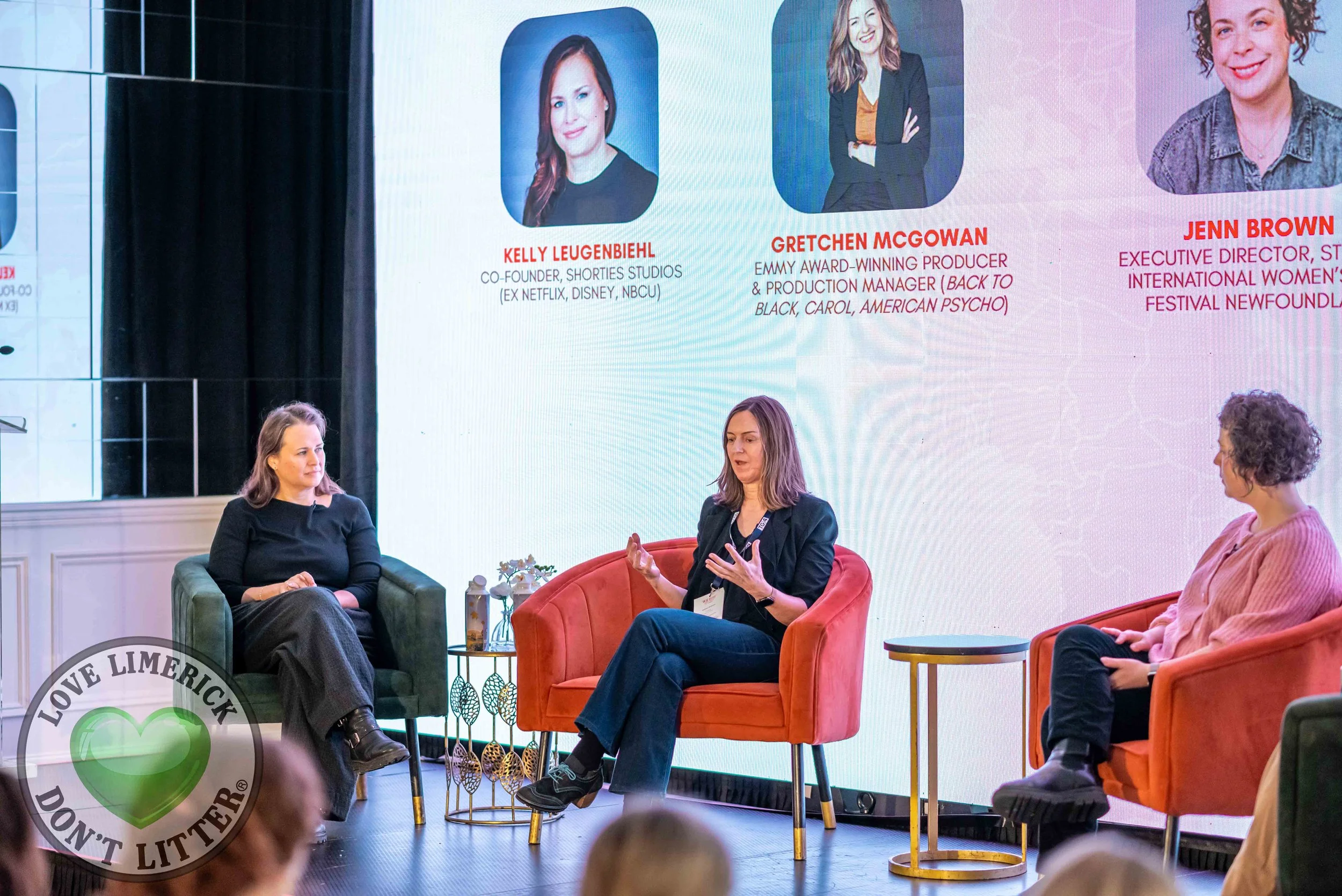
With speakers including Ruth Negga (BAFTA, Emmy, and Oscar-Nominated Actor (Passing, Presumed Innocent)), Guneet Monga Kapoor (Oscar-Winning Producer Producer (The Lunchbox, The Elephant Whisperers)), Aisha Tyler (Actor, Producer, Director (The Walking Dead, Criminal Minds, I Hope We Can Still Be Friends), CEO Hot Machine Films), and Dearbhla Walsh (Emmy, BAFTA and IFTA Award-Winning Director (Little Dorrit, The Handmaid’s Tale, Fargo, Bad Sisters, Margo’s Got Money Troubles)), the summit created a space where we could exchange ideas and build partnerships that extend far beyond the event itself.
Here are few takeaways:
1. Equity in the Screen Industry Is No Longer a Conversation - It’s an Operational Strategy
If the 2026 WIFTI Summit had a running theme, it was this: gender equity is no longer a “nice-to-have” aspiration—it’s a business and creative imperative. One of the most resonant ideas discussed across panels was the difference between being invited into the room and having the power to shape what happens there. Visibility alone doesn’t transform an industry; influence does. Participants repeatedly emphasized that equity requires structural mechanisms: transparent funding, equitable hiring practices, and long-term career pathways that support women and underrepresented creators across the entire production pipeline.
2. Global Collaboration Is the New Creative Superpower
In the modern screen industry, borders are increasingly irrelevant—except when you’re trying to schedule a production call across five time zones.
The WIFTI Summit made it clear that international collaboration is becoming central to how stories are financed, produced, and distributed. The event was designed specifically to strengthen cross-border, and cross-cultural partnerships and encourage co-production opportunities.
What emerged from these discussions was a simple but powerful idea: if stories are universal, partnerships should be too. Co-productions were framed not only as financial arrangements but also as creative alliances that expand the reach and impact of storytelling.
Another important point raised at the summit was the role of global professional networks. Organizations such as WIFT chapters help bridge geographic distances by connecting creatives, facilitating mentorships, and enabling collaborations that might otherwise never happen.
3. Technology Is Transforming Storytelling—But Humans Still Hold the Remote
Technology inevitably entered the conversation at the summit, but not in the usual “AI is coming for our jobs” kind of way. Instead, speakers focused on how emerging tools - from advanced visual effects to AI-assisted production workflows and virtual production - are reshaping the filmmaking process. The consensus was refreshingly balanced: technology can expand creative possibilities, but it should serve storytelling rather than replace it. By involving technical experts early, productions can design workflows that maximize both creativity and efficiency.
4. Authentic Stories Require Authentic Voices
Another recurring theme across the summit was authenticity in storytelling.
In an era where global audiences have access to content from nearly every corner of the world, viewers are increasingly drawn to stories that feel culturally specific and emotionally genuine.
Speakers highlighted the importance of preserving cultural identity in storytelling, including the use of native languages and narratives rooted in local experience. Stories told in their original cultural context often resonate more strongly with audiences because they offer perspectives that feel both unique and universal.
However, authenticity goes beyond language or setting. It also requires authorship and agency—ensuring that the people whose stories are being told have meaningful involvement in the creative process.
The lesson is simple: the most powerful stories often begin with a strong sense of place, culture, and identity.
Ironically, the more specific a story becomes, the more universal it often feels.
5. Creative Community Is the Real Engine of Industry Change
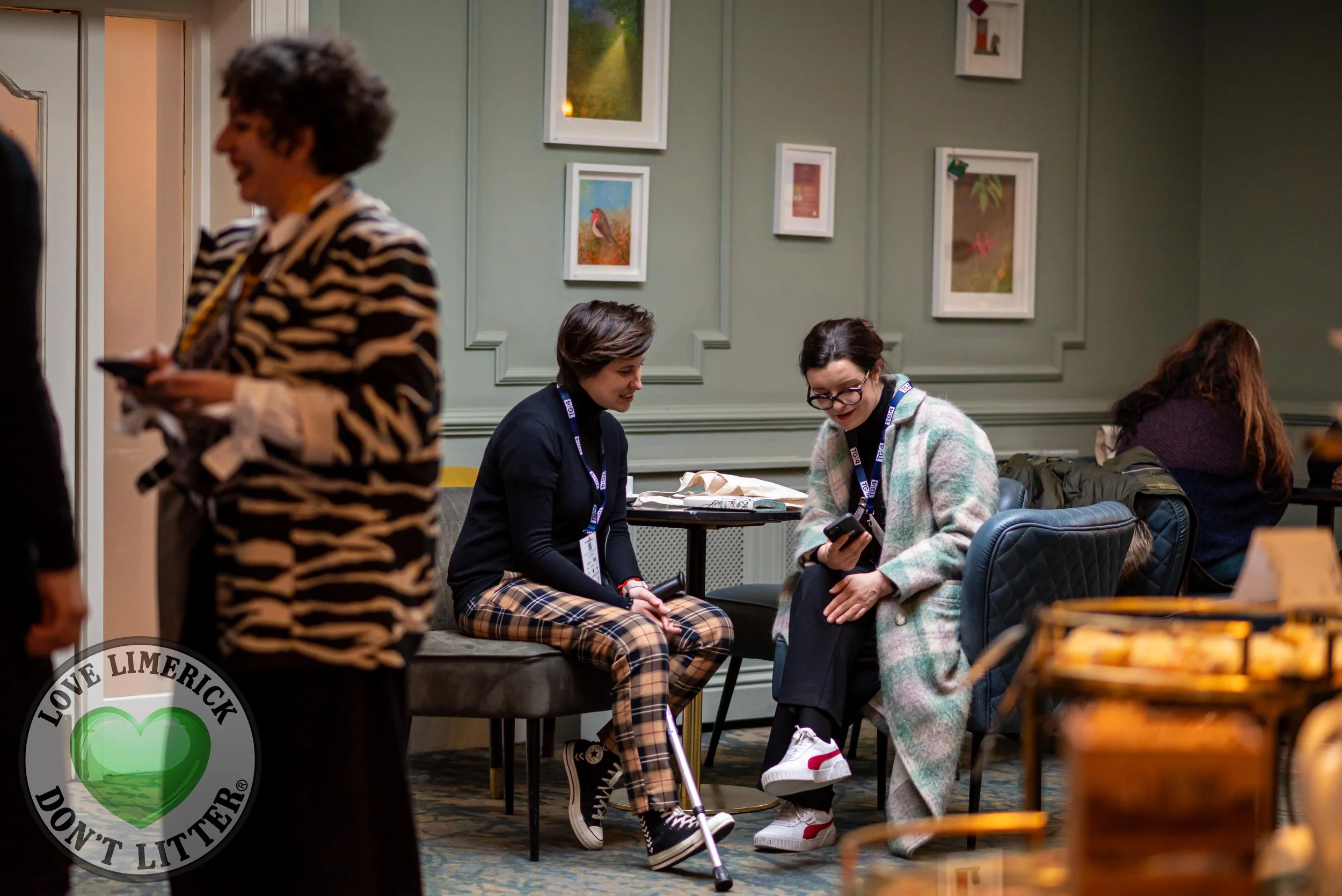
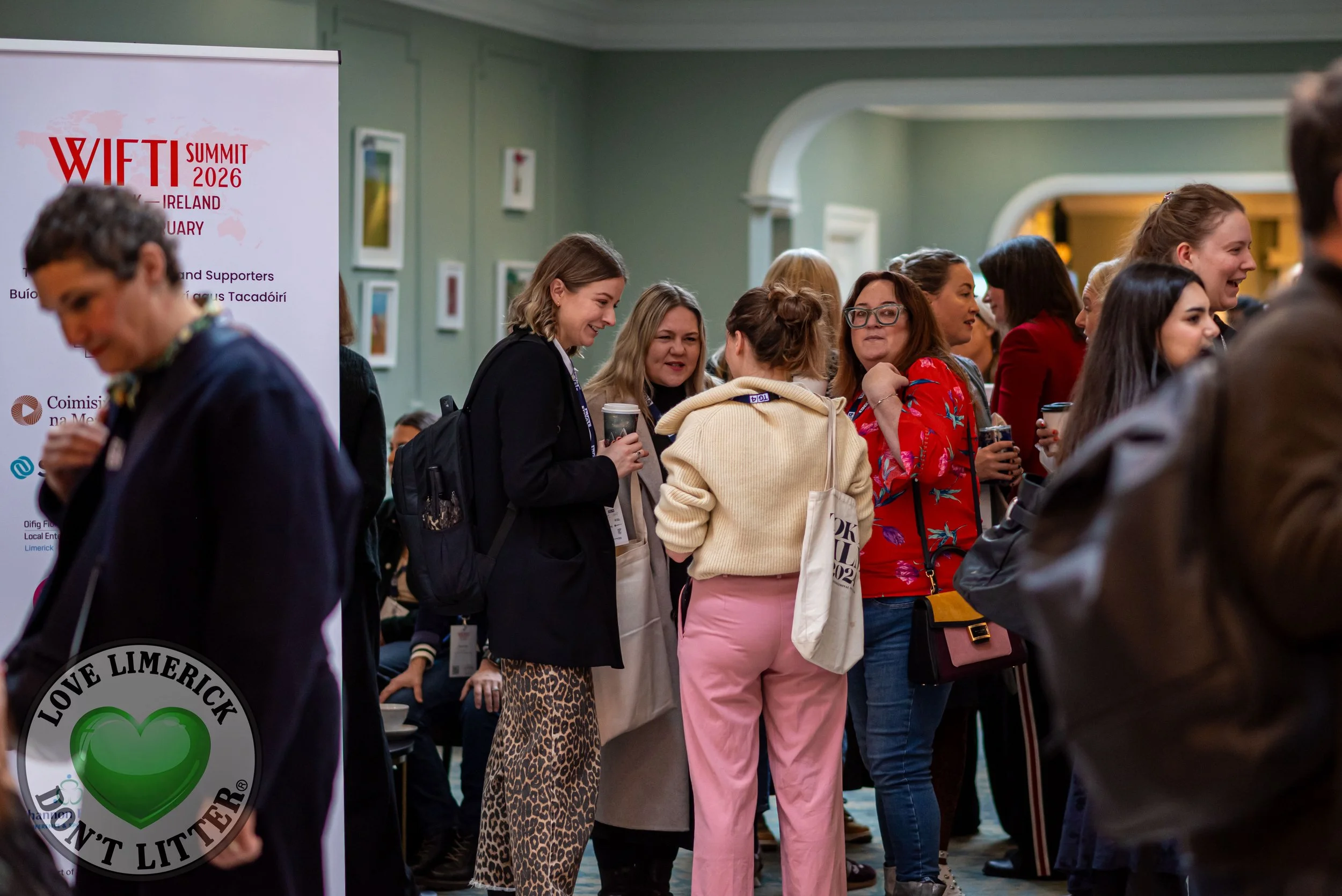
While the summit featured impressive speakers and ambitious ideas, many attendees noted that the most valuable moments happened outside the formal sessions. Networking events, informal discussions, and spontaneous conversations created opportunities for collaborations that might not emerge in traditional conference settings.
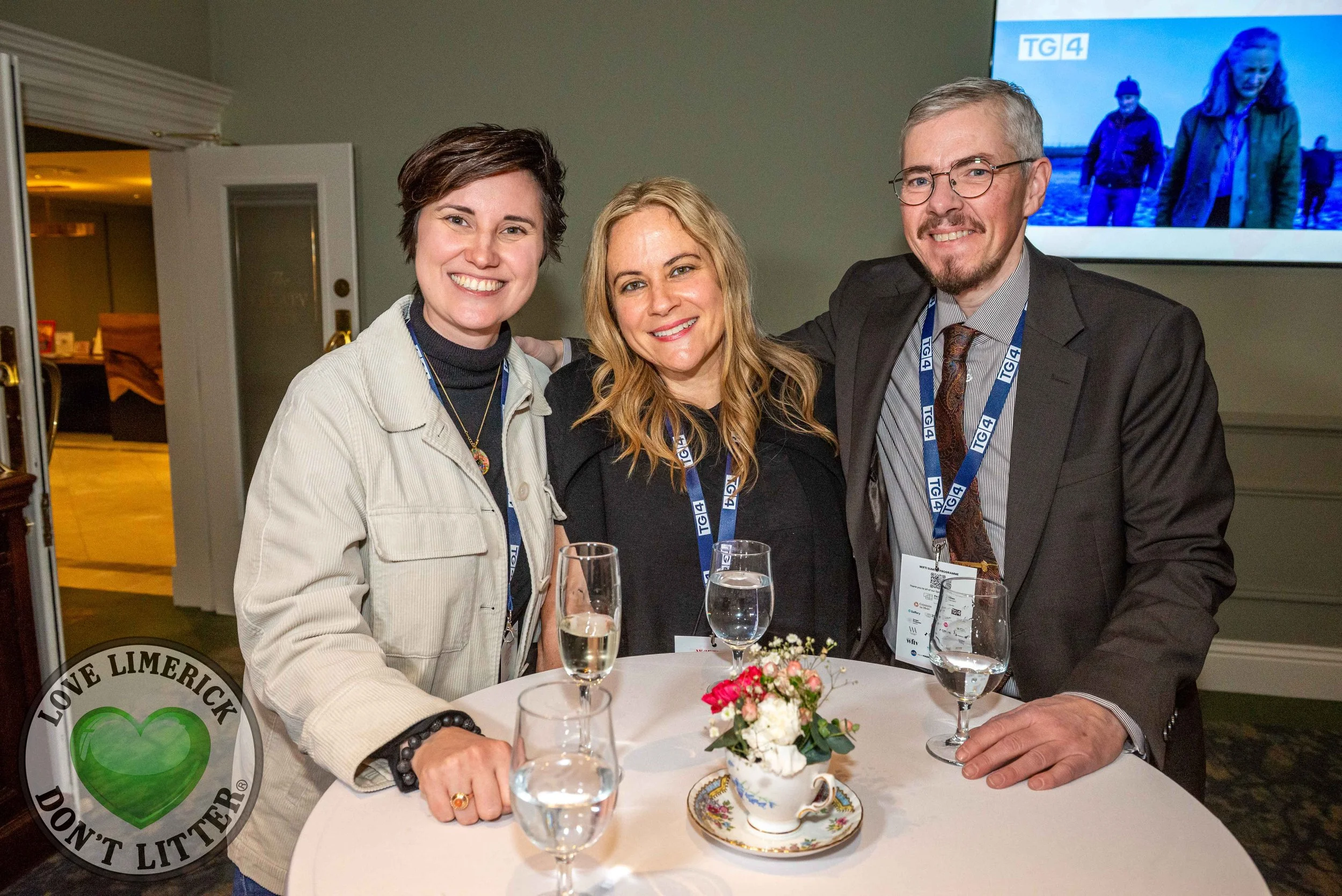
This sense of community was central to the event’s purpose. The summit was designed not only to showcase talent but also to strengthen a global professional network. Many new friendships were sparked, and the old ones were rekindled. It was the room filled with meaningful conversations, buzzing with ideas, exchange of experiences and perspectives.